In today’s fast-paced world, uninterrupted power supply is critical for both households and businesses. Power failures, voltage fluctuations, and surges can damage sensitive electronic equipment, disrupt operations, and even cause data loss. This is where UPS (Uninterruptible Power Supply) comes into play. But what is the use of UPS, and why has it become essential in modern life? Let’s explore in detail.
What is a UPS?
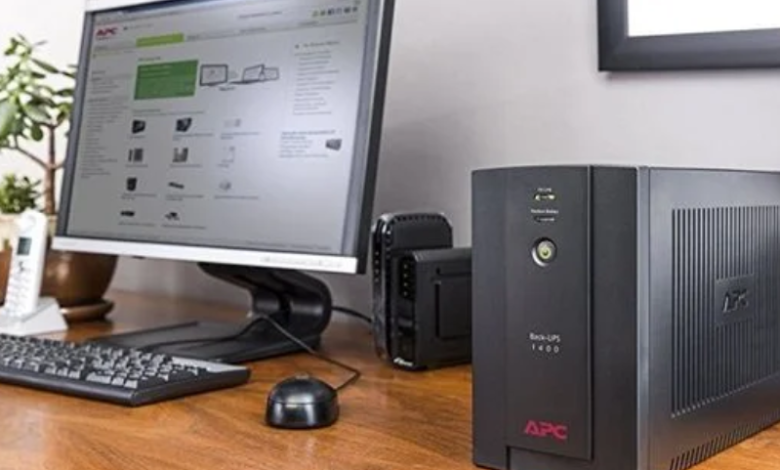
A UPS (Uninterruptible Power Supply) is an electrical device that provides emergency power to a load when the main power source fails. Unlike a generator, which takes time to start, a UPS offers immediate protection by supplying power from its battery. UPS systems also stabilize voltage, filter surges, and maintain consistent electricity for connected devices.
UPS devices come in various types, including:


- Offline/Standby UPS: Provides basic protection against power outages. Activates only when main power fails.
- Line-Interactive UPS: Regulates voltage fluctuations and provides battery backup.
- Online/Double Conversion UPS: Offers continuous power without interruption, ideal for critical equipment.
See also: How to Sell Your Home Quickly in a Slow Market
Uses of UPS
The primary purpose of a UPS is to ensure uninterrupted power supply. However, its uses extend far beyond that. Here are some of the key uses:
1. Protection from Power Outages
UPS systems are essential in areas where power cuts are frequent. They provide instant power from the battery, allowing you to save unsaved work, shut down equipment safely, or continue operations for a limited time.
2. Voltage Regulation
Sudden spikes or drops in voltage can damage sensitive electronics like computers, servers, and medical equipment. UPS devices stabilize the voltage, ensuring the connected equipment operates within safe limits.
3. Data Protection
For offices, data centers, and IT infrastructure, sudden power loss can result in critical data loss. UPS allows systems to shut down gracefully or continue running temporarily, protecting data integrity.
4. Industrial Applications
Industries that rely on continuous processes, such as manufacturing or chemical plants, use UPS systems to avoid downtime, equipment damage, and production losses.
5. Medical Applications
Hospitals and healthcare facilities require constant electricity to operate life-saving equipment. UPS ensures devices like ventilators, monitors, and surgical equipment continue to function even during blackouts.
6. Communication and Networking
In today’s digital era, uninterrupted connectivity is crucial. UPS devices keep servers, routers, and networking equipment powered, preventing disruptions in communication.
7. Home Usage
Even in homes, UPS systems are useful for computers, home theaters, refrigerators, and other sensitive appliances. They prevent damage and provide backup power during outages.
Benefits of Using a UPS
- Uninterrupted Power Supply: Keeps devices running during power cuts.
- Equipment Protection: Guards against surges, spikes, and voltage fluctuations.
- Data Safety: Prevents sudden data loss in computers and servers.
- Extended Equipment Lifespan: Reduces wear and tear on electronics caused by unstable electricity.
- Peace of Mind: Provides confidence that your devices are safe even during power interruptions.
Frequently Asked Questions (FAQs)
Q1. How long can a UPS provide power?
A UPS typically provides power for a few minutes to several hours, depending on the battery capacity and the load connected. It is mainly designed to give enough time to save work or switch to a backup generator.
Q2. Can a UPS replace a generator?
No, a UPS is not a replacement for a generator. UPS provides immediate short-term backup, while generators are used for longer-duration power outages.
Q3. Is UPS only for computers?
No, UPS can be used for any electrical device that needs continuous power, including servers, medical equipment, home appliances, and industrial machinery.
Q4. How does a UPS differ from a surge protector?
A surge protector only protects against voltage spikes, while a UPS provides both backup power and voltage regulation.
Q5. What type of UPS is best for sensitive equipment?
An online/double conversion UPS is ideal for sensitive or critical equipment, as it provides continuous, clean, and stable power.
Conclusion
Understanding what is the use of UPS is crucial in today’s technology-driven world. From protecting sensitive electronics to ensuring data integrity and preventing operational downtime, UPS systems are indispensable for homes, offices, industries, and healthcare facilities. Investing in a reliable UPS not only safeguards equipment but also provides peace of mind during unpredictable power situations.